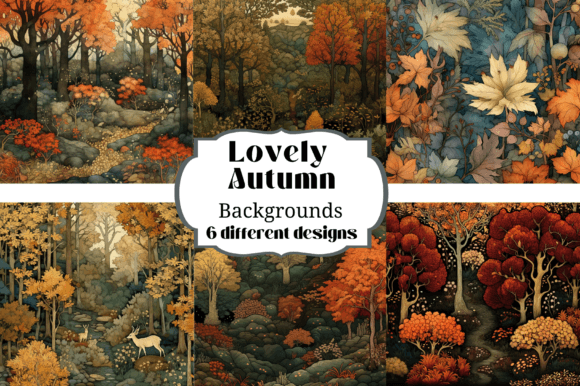
Autumn Woodland Seamless Backgrounds: 11 Designs for Your Projects
When a project needs an instant dose of atmosphere, texture, and seasonal charm, finding the right background can feel like searching for a needle in a haystack. Generic patterns often fall flat, lacking the depth and personality needed to make a design truly resonate. This is where a thoughtfully curated set of assets like the 11 Autumn Woodland Seamless Backgrounds comes in. It’s not just a collection of images; it’s a toolkit for building immersive visual worlds, specifically for creators who value texture, mood, and a cohesive aesthetic.
More Than a Pattern: The Character of Woodland Textures
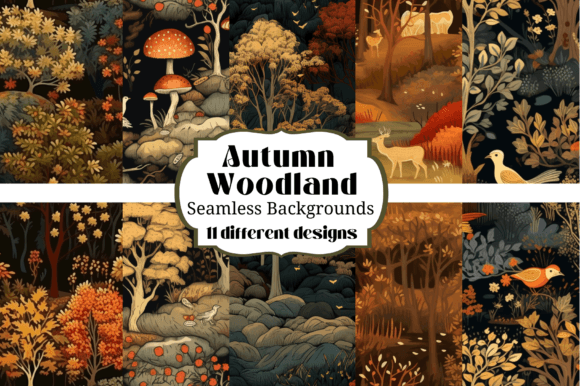
These digital backgrounds are a masterclass in organic design. The seamless nature is the technical foundation, ensuring that when tiled, the edges disappear perfectly, creating a continuous, uninterrupted surface. But the real value lies in the visual personality. Imagine the deep, rich tones of fallen maple leaves, the subtle, earthy patterns of moss on bark, the intricate veins of a decaying fern, or the soft, muted palette of a misty autumn forest floor. This collection captures that specific, fleeting beauty of the season. The style is inherently tactile; you can almost feel the crunch of dry leaves or the cool dampness of the soil. This makes them a powerful asset far beyond simple digital scrapbooking.
As a designer, I see these backgrounds functioning as a foundational layer for brand identity, especially for businesses rooted in nature, wellness, artisanal crafts, or sustainable living. A cozy candle maker, a local herbalist, a boutique publishing house, or an eco-friendly product line could use these textures as a cornerstone of their visual language. The background becomes part of the brand’s story, communicating warmth, authenticity, and a connection to the natural world without a single word. This is where modern typography and strategic design assets intersect to build a memorable brand identity.
Practical Applications for Creators and Businesses
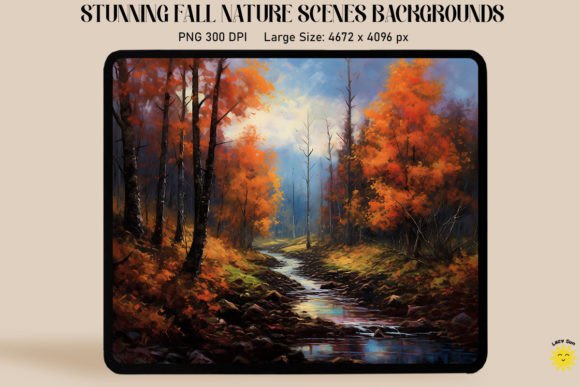
The true test of any design asset is its versatility. These autumn woodland textures are surprisingly adaptable across a wide spectrum of projects, both digital and print. For the crafter and hobbyist, they are a dream for junk journaling, creating unique, layered scrapbook pages, or designing one-of-a-kind greeting cards and invitations. The high-resolution, 300 DPI PNG format ensures that even when scaled for large print projects, the detail remains crisp and professional.
For entrepreneurs and marketers, the applications are equally robust. Consider these use cases:
- Web Design & Social Media: Use a subtle, tiled version as a website background to add depth without distracting from content. Create stunning social media graphics, story backgrounds, or branded post templates that immediately stand out in a crowded feed. The texture adds a level of professionalism and care that flat colors often miss.
- Packaging & Editorial Design: For product labels, box inserts, or lookbook backgrounds, these textures can elevate packaging design from simple to sophisticated. In editorial design, they can serve as beautiful chapter openers, page borders, or full-bleed spreads for magazines and books, particularly those with themes of nature, mindfulness, or seasonal cooking.
- Logo & Brand Collateral: While a complex texture isn’t typically the core of a logo, it can be used effectively in brand collateral—think letterheads, business cards, thank-you cards, and presentation templates. This creates a consistent, immersive brand experience. Pairing a clean sans serif font or an elegant serif font with a rich woodland background can create a beautiful contrast that feels both modern and timeless.
Working With Seamless Backgrounds: A Designer’s Guide
Simply downloading the files is the first step. To use them effectively, a bit of strategic thinking is required. First, evaluate the project’s core message. Is it rustic, luxurious, whimsical, or serene? The 11 variations in this set likely offer different moods—from bright, sun-dappled scenes to darker, more mysterious forest floors. Choose the one that aligns with your project’s personality.
Next, consider readability. This is paramount. Placing text directly over a detailed, high-contrast background is a common mistake that hinders engagement. The solution is to create a clear visual hierarchy. Use a semi-transparent overlay (a solid color or a gradient) behind your text to ensure legibility. Alternatively, use the background in larger, less text-intensive areas like margins, headers, or footers, while keeping the main content area clean.
Font pairing is another critical consideration. The organic, often rustic feel of these woodland backgrounds pairs beautifully with certain typefaces. A handwritten font or a script font can enhance the personal, artisanal quality. A sturdy serif font can lend a sense of tradition and authority, while a clean sans serif font provides a modern counterpoint, preventing the design from feeling overly themed. The key is contrast and balance. Test your font choices at various sizes against the background to ensure they remain clear and readable.
Finally, remember the licensing terms. This is a digital download for your use in creating final projects. The files themselves—these specific PNG images—cannot be shared or resold as standalone digital downloads. Respecting this ensures the continued creation of such high-quality design assets. By integrating these textures thoughtfully, you move beyond decoration and into the realm of strategic design, using every element to support your message, strengthen your brand identity, and connect with your audience on a deeper level.