Transform Your Designs with Magic Glitter Light Bokeh Backgrounds
There's a specific kind of visual energy that captures attention instantly—something between a whisper and a sparkle. That's the core appeal of Magic Glitter Light Bokeh Backgrounds. These aren't just generic textures; they are carefully crafted layers of luminous particles, soft focus, and dynamic light that can inject life into any flat design. If you've been looking for that missing element to make your next project pop, understanding the practical value of these assets is the first step.
Understanding the Visual Character and Practical Application
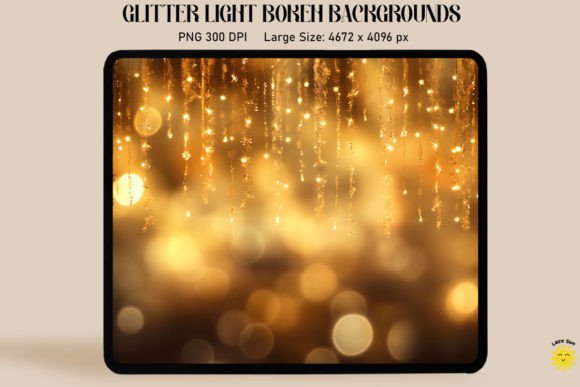
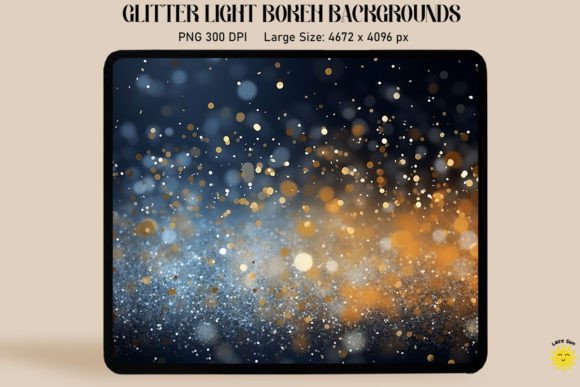
What exactly defines a "Magic Glitter Light Bokeh Background"? Visually, it's a blend of soft, out-of-focus light orbs (bokeh) combined with sharper, sparkling glitter elements. The result is a texture that feels both dreamy and energetic. The included PNG file, with its high resolution of 300 DPI and generous dimensions of 4672 x 4096 pixels, is built for serious work. This isn't a small web graphic you'll need to upscale; it's a professional-grade asset designed for print and digital media alike.
The personality of these backgrounds is versatile. They can read as celebratory and festive for a holiday card, or sophisticated and luxurious for a high-end brand presentation. The key is in the color and density of the light. A tighter cluster of warm, golden bokeh suggests warmth and intimacy, while a wider spread of cool, blue-toned sparkles feels more modern and ethereal. This adaptability makes them a powerful tool in a designer's library.
Where These Backgrounds Truly Shine
Think beyond just filling empty space. Magic Glitter Light Bokeh Backgrounds excel in projects where you need to set a mood quickly and effectively. For entrepreneurs and small business owners, they are perfect for creating social media banners that stop the scroll. A product launch announcement or a special promotion gains immediate visual weight when set against a shimmering backdrop.
For bloggers and content creators, these textures are invaluable for featured images, podcast cover art, or YouTube thumbnails. They provide a consistent, branded look that feels professional without requiring complex software skills. The abstract nature means they won't clash with your foreground text or subject matter; instead, they elevate it.
In the realm of print and craft, the applications are just as broad. Wedding invitations, greeting cards, and scrapbooking layouts benefit from the festive yet elegant feel. The large file size ensures that even when printed at a substantial scale for a banner or a poster, the detail remains crisp and the colors vibrant. For graphic designers, these assets are a shortcut to creating dynamic web backgrounds, layered compositions in editorial design, or eye-catching packaging mockups.
Making It Work: Practical Considerations for Your Projects
Choosing the right background is only half the battle. Using it effectively is what separates good design from great design. The first consideration is contrast. Since bokeh backgrounds are inherently busy with light and texture, your foreground elements—whether text, logos, or photos—need strong visual separation. This often means using bold, simple typefaces (think a clean sans serif font or a strong display font) and ensuring sufficient color contrast.
Readability is paramount. If you're overlaying body copy, consider placing a semi-transparent shape or a subtle gradient behind the text to create a stable reading area. For headlines, a premium font with good weight will hold its own against the sparkling backdrop. This is where thoughtful font pairing comes in: a delicate script font might get lost, but a modern geometric serif font could create a beautiful, intentional contrast.
Another practical tip is to use these backgrounds as accents rather than the main event. A full-page bokeh background can be overwhelming. Instead, try using it within a specific shape, like a circle or a banner, or as a fade at the top or bottom of your layout. This controls the visual energy and guides the viewer's eye. For brand identity work, consistency is key. If you use a glitter background in your Instagram stories, consider a toned-down version or a solid color pulled from the background for your website to maintain cohesion without visual fatigue.
A Note on the Asset Itself
It's important to remember that these are digital design assets delivered as a ZIP file. You'll need to unzip them to access the high-quality PNG. While they are not layered SVG files for cutting machines, their format is ideal for standard design software like Photoshop, Illustrator, Canva, or even PowerPoint. The lack of layers actually simplifies the workflow—you drag, drop, and adjust.
Colors on screen can vary from printer to printer and monitor to monitor. It's always wise to do a small test print if you're working on a physical product. The true strength of this asset is its resolution. You can resize it significantly—whether making it smaller for a web icon or larger for a backdrop—and it will retain its quality, avoiding the pixelation that plagues lower-resolution textures.
In the end, Magic Glitter Light Bokeh Backgrounds are about adding a layer of professional polish and emotional resonance. They solve the common problem of a bland canvas, offering a ready-made solution that saves time while expanding creative possibilities. Whether you're crafting a personal invitation or building a client's brand identity, understanding how to leverage this kind of creative font and texture resource is a fundamental skill in modern visual communication.