Backgrounds and Abstract Textures for Modern Design
Understanding the Visual Power of Backgrounds
Think of the last time a piece of design truly stopped you in your tracks. Was it the typography? The imagery? Or was it something more fundamental? Often, the unsung hero of compelling visual work is the surface it sits upon. Backgrounds, especially abstract textures, are the foundation upon which modern and contemporary design is built. They are not mere afterthoughts; they are active participants in storytelling, setting mood, and guiding the viewer's eye.
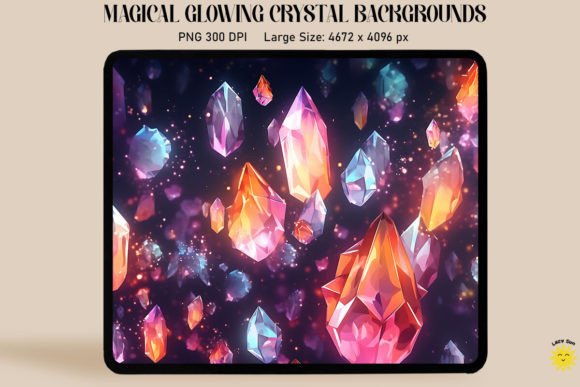
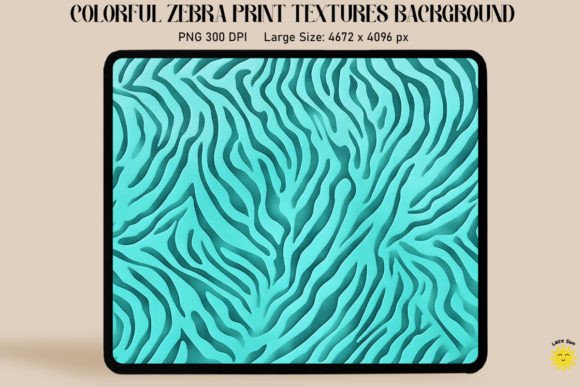
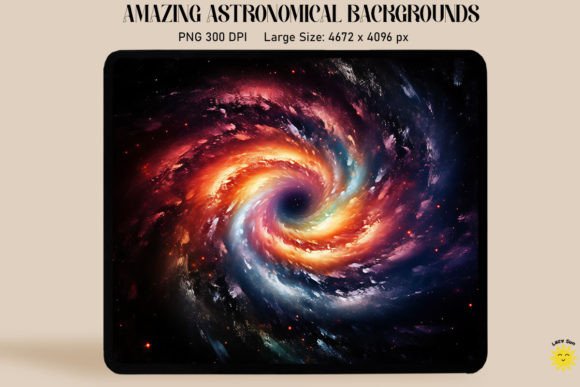
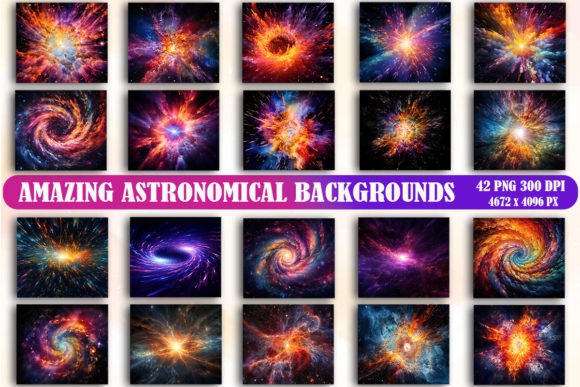
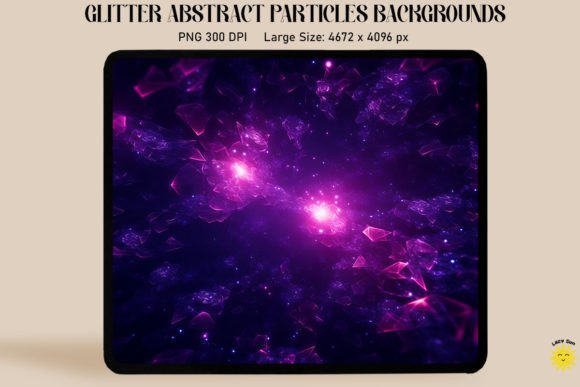
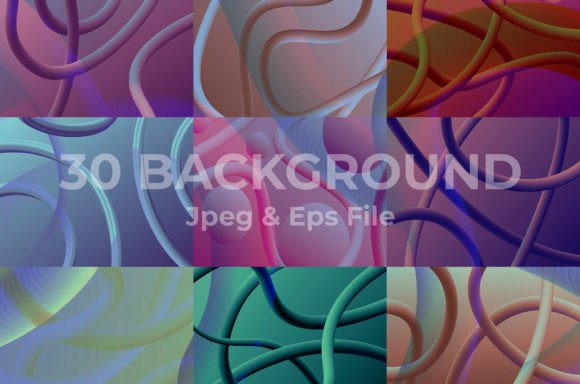
Visually, abstract background textures range from subtle, grainy noise that mimics high-quality paper or film to bold, geometric patterns that pulse with energy. They can evoke the tactile feel of linen, the chaotic beauty of watercolor bleeds, the sleekness of brushed metal, or the organic irregularity of stone. Their personality is defined by their adaptability. A soft, muted texture can convey sophistication and calm, making it ideal for luxury branding or wellness materials. A vibrant, high-contrast digital texture, on the other hand, screams innovation and is perfect for tech startups or youthful brands. The appeal lies in their ability to add depth, context, and emotion without overwhelming the primary content.
Where Abstract Textures Truly Shine
The application of these design assets is vast, stretching across nearly every medium a creator or business might touch. For wall art and home decor, digital paper illustrations featuring abstract textures become the art itself. Imagine a large-format print with a deep, moody marble texture gracing a living room wall, or a series of minimalist prints with soft, pastel gradients for a bedroom. These textures provide the visual interest that makes a piece feel finished and intentional.
In the realm of print materials, their utility is equally profound. A scrapbook page comes alive with a textured background that complements the photos. Birthday cards and invitation sets gain a premium, tactile feel when printed on a digital paper with a subtle linen or parchment texture. For packaging design, a background texture can communicate a product's essence before a single word is read. Think of the rustic, kraft paper texture on artisanal goods or the sleek, metallic finish on high-end cosmetics. It directly influences brand perception and shelf appeal.
Digital spaces are where these assets offer incredible versatility. For web design, a well-chosen abstract texture can break up monotonous sections of color, add visual hierarchy to a landing page, or serve as a stunning hero image backdrop that doesn't compete with headlines. Social media graphics and blog headers become instantly more engaging with a textured background, helping content stand out in a crowded feed. Even in editorial design for books and hardcovers, textures can set the tone for a chapter or a book's cover, influencing the reader's expectations from the first glance.
Practical Guidance for Choosing and Using Textures
Selecting the right background texture is a strategic decision. Start by defining the project's core message and audience. Is the goal to appear modern and clean, or vintage and nostalgic? This will narrow your search immediately. When evaluating a texture, zoom in and inspect its detail. Does it look good at both large scales (like a poster) and small scales (like a business card)? High-resolution files are non-negotiable for professional print work.
Testing is crucial. Layer your primary content—your logo, headlines, or product images—over the texture. How does it affect readability? A high-contrast, busy texture can make light-colored text nearly illegible. The solution might be to use the texture at a lower opacity, apply a subtle color overlay, or place it in areas that don't contain critical information. This is where understanding visual hierarchy comes in. The texture should enhance, not obstruct.
For those building a brand identity, consistency is key. If you find an abstract texture that perfectly captures your brand's personality, consider using it across multiple touchpoints—from your website background to your product packaging and social media templates. This creates a cohesive, recognizable visual language. Always check the licensing of any premium font or texture asset. Most commercial licenses for these design assets are clear and affordable, granting you the rights to use them in client projects, merchandise, and digital products. Ensure you understand the terms to avoid any legal hiccups down the line.
Final Thoughts on Texture as a Design Tool
In the end, abstract background textures are more than just pretty patterns. They are a fundamental tool in the designer's toolkit, capable of transforming flat, lifeless layouts into rich, immersive experiences. They influence mood, direct attention, and communicate brand values on a subconscious level. Whether you're a crafter adding a personal touch to a scrapbook, a marketer designing a campaign, or a publisher creating a book cover, integrating these design assets thoughtfully will elevate your work from ordinary to exceptional. The key is to choose with intention, test rigorously, and never underestimate the power of a great surface.