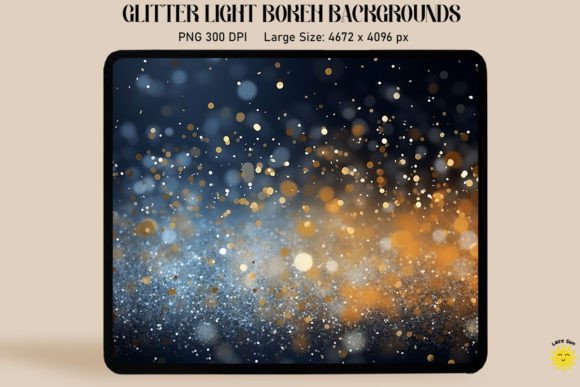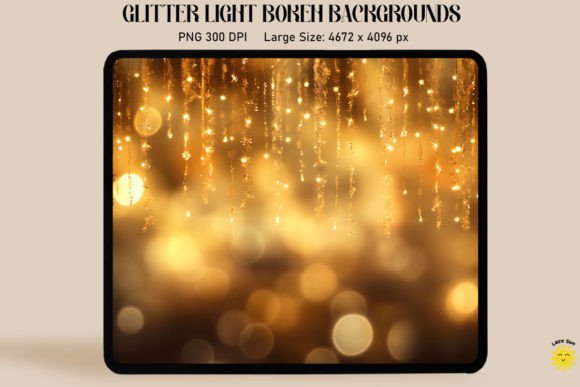
Golden Glitter Light Bokeh Backgrounds: A Designer's Sparkling Asset
Every creative project has a moment where it needs a touch of magic, a layer of visual warmth that captures attention and holds it. That's precisely the role filled by a high-quality Golden Glitter Light Bokeh Background. It's more than just a pattern; it's a versatile design asset that injects luminosity, depth, and a sense of premium elegance into your work. Think of it as the digital equivalent of a perfectly lit scene with a soft, out-of-focus light source in the background, creating a dreamy, sophisticated atmosphere.
The visual personality of this background is one of controlled radiance. The "golden glitter" element provides texture and sparkle, suggesting celebration, luxury, and high value. The "light bokeh" aspect softens the composition, creating a gentle, out-of-focus glow that prevents the glitter from becoming overwhelming. This combination results in a background that feels both dynamic and harmonious. It’s a style that resonates with modern design trends, offering a luminous texture that can elevate a simple layout into something memorable. Whether you're working on a brand identity for a boutique product or social media graphics for an event, this background sets a distinct and professional tone.
Where This Sparkling Asset Truly Shines
The practical applications for Golden Glitter Light Bokeh Backgrounds are vast, primarily because their appeal is both broad and specific. For graphic designers and brand strategists, this background is a secret weapon for creating impactful hero sections on websites, eye-catching email headers, and premium-looking presentation slides. Its inherent warmth and luxury make it a natural fit for the beauty, fashion, jewelry, and events industries, instantly communicating quality and aspiration.
For marketers and content creators, the utility is immediate. Imagine using it as the backdrop for a promotional sale graphic, a product launch announcement, or a celebratory holiday post. The bokeh effect naturally draws the eye to your central text or product image, creating a clear visual hierarchy without a single line of code. Publishers and bloggers can use it to design striking magazine covers, blog post feature images, or podcast artwork that stands out in a crowded feed. It’s a powerful tool for grabbing attention in a split second, which is the currency of digital media.
Beyond the digital realm, the high-resolution (300 DPI) PNG file opens doors to the physical world. Small business owners and crafters can print this background for invitations, thank-you cards, product packaging, or even small-scale banners for market stalls. The detail remains crisp, ensuring that a printed piece feels as polished as its digital counterpart. This versatility is a core strength—it’s a single design asset that serves a multitude of creative and commercial projects, from web design to packaging design and everything in between.
Integrating Light and Texture into Your Design Workflow
Using a background like this effectively is about more than just placing it behind text. It’s about integration. The key is to let the background support your message, not compete with it. For logo design or any typography-focused application, consider using the background with a slight overlay or a semi-transparent color fill. This mutes the intensity just enough to ensure your display font or serif font remains perfectly legible while still benefiting from the underlying texture and glow. This technique maintains the professional, high-end feel without sacrificing readability—a crucial balance in editorial design and brand identity work.
When it comes to font pairing, the golden bokeh background pairs beautifully with clean, modern typefaces. A strong sans serif font for headlines can create a stunning contrast, where the crispness of the letters plays against the soft, organic light effects. Alternatively, an elegant script font can amplify the celebratory or luxurious personality of the background, ideal for wedding invitations or upscale branding. The best approach is to test your chosen typeface against the background at the exact size it will be used. Check the contrast at different points on the background—where the bokeh is brightest and where it’s more subdued—to ensure consistent legibility.
From a technical standpoint, the included PNG file is designed for ease of use. At approximately 4672 x 4096 pixels, it provides ample room to crop and resize for almost any project, from a small web icon to a large print banner, without a loss in quality. Remember, the file is a flat, high-resolution image, not a layered file. This means it’s ready to use immediately—simply place it in your design software of choice. For projects requiring a cohesive look, you could use different crops or zoom levels of the same background across a series of materials, creating a unified visual system for a campaign or brand suite.
Ultimately, a resource like this is about expanding your creative toolkit. It’s a practical, premium design asset that solves a common visual challenge: adding instant depth, light, and sophistication. By understanding its personality and applying it thoughtfully, you can transform ordinary designs into engaging visual experiences that resonate with your audience and elevate the professionalism of your final output.